Climate
We have set a goal to achieve net zero emissions across our value chain in 2030.

As climate change impacts become increasingly prevalent, decarbonizing our business is a critical step for Meta to do our part in connecting to a healthier planet, more resilient communities and a net zero reality.
Reducing our GHG emissions
Reducing GHG emissions across our global operations and value chain is our top priority and the most effective strategy to reach a net zero reality.
Our approach includes:
- Prioritizing efficiency and circularity in our business decisions
- Embracing low-carbon technology to operate with a lower emissions footprint
- Enabling at least two-thirds of our suppliers to set science-aligned reduction targets by 2026


Supporting carbon removal projects
Meta supports carbon removal projects to address any residual emissions we cannot eliminate by 2030. Our strategy seeks to expand the voluntary carbon market toward projects that offer environmental and social benefits beyond carbon sequestration, as well as to drive new innovation. We will help scale the market by being an early buyer of projects like these and through advance market commitments with our peers, such as the Symbiosis Coalition.
We believe we have an important role to play in advancing the development and accessibility of both natural and technological carbon removal solutions. Emerging technologies offer a high global climate mitigation potential and will be a necessary complement to emissions reductions and nature-based removals. Meanwhile, nature-based carbon removal is deployable now and can offer solutions to both mitigate climate change and address the biodiversity crisis.
“As we continue to build the future of human connection and the technology that makes it possible, we strive to do so in a way that supports a more sustainable world.”
Blair Swedeen, Global Head of Net Zero and Sustainability
Rachel Peterson, Vice President of Infrastructure Data Centers
Meta’s 2024 carbon footprint
We are committed to transparency and disclose our GHG emissions annually. Our GHG footprint includes the emissions associated with running our business and data centers, as well as the indirect emissions created upstream from our operations and downstream in our products. Meta’s GHG emissions data undergoes limited assurance conducted by a third party annually.
Scope 1
Scope 2
Scope 3
mt CO2e

We removed 50,000 metric tons of CO2 through carbon removal projects to cover our Scope 1 and 2 emissions.
Addressing climate change
Working together to reduce emissions
-
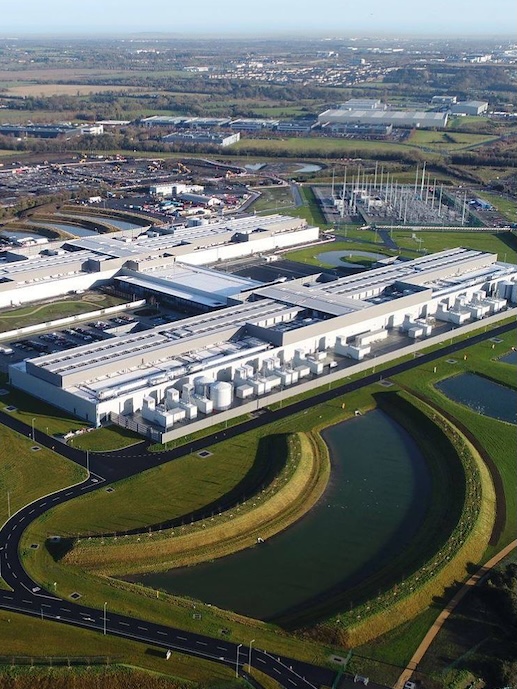
Managing embodied carbon in data centers
With Infrastructure Masons and more than 70 companies, including the largest data center operators, we formed the iMasons Climate Accord to reduce carbon in digital infrastructure materials, products and power. We also reduce emissions associated with data center construction by using new materials such as low carbon concrete and mass timber.
-

For a net zero supply chain
The majority of our emissions are connected to our suppliers. We have developed the Net Zero Supplier Engagement Program to support key suppliers to accelerate their efforts to reduce their emissions. By 2026, we aim to engage two-thirds of our suppliers, based on their contribution to our emissions, to set science-aligned GHG reduction targets.
-
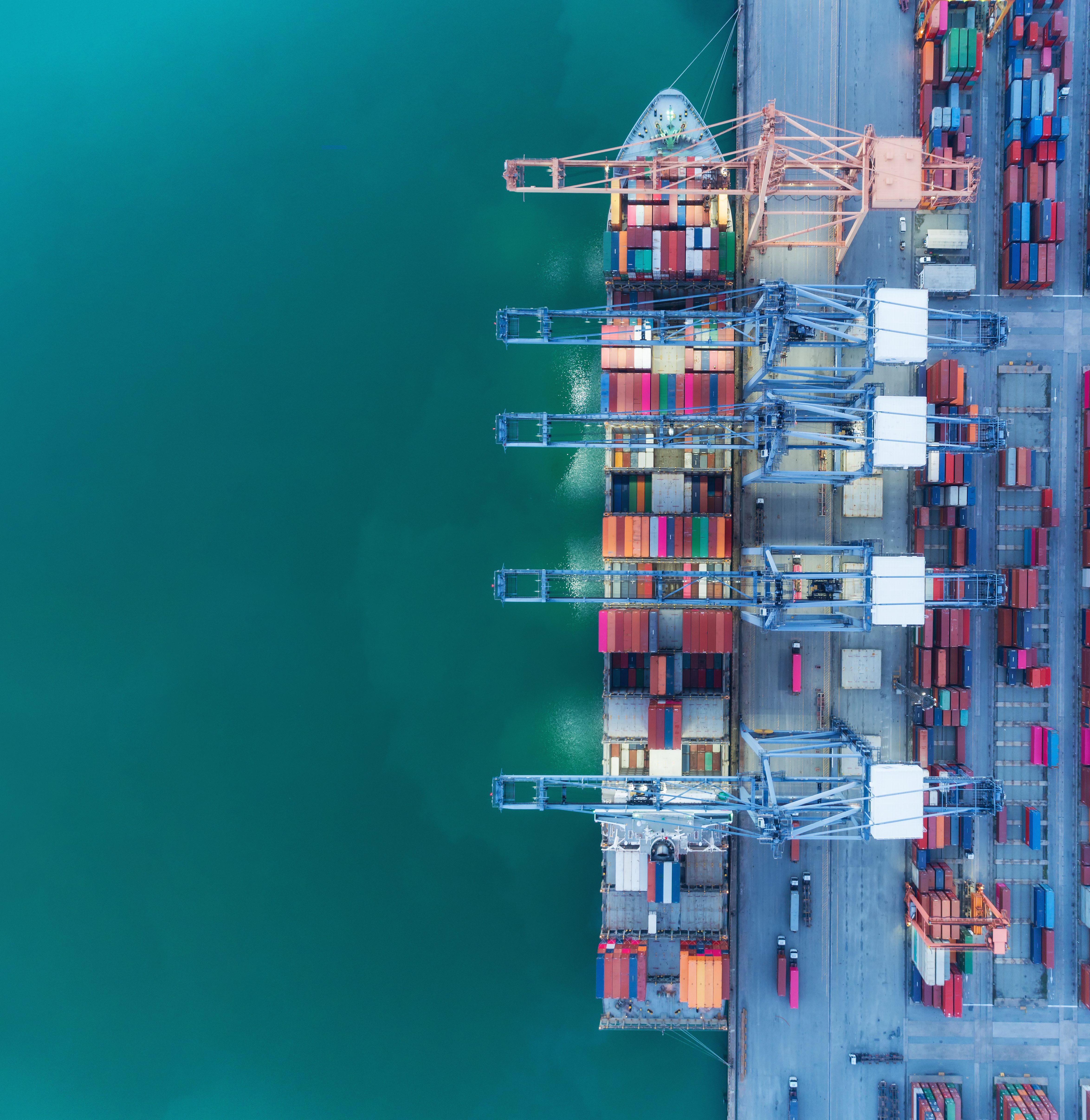
Decarbonizing global supply chains
Along with five other corporations, Meta launched the Clean Energy Procurement Academy (CEPA) to support and accelerate suppliers’ renewable energy purchases and further the decarbonization of global supply chains.
-

Improving climate resilience
We are partnering with the Center for Climate and Energy Solutions (C2ES) and Resilience First to co-design and implement the Corporate Climate Resilience Pathways Initiative, a multiyear initiative to establish a robust business framework that enables companies to build climate resilience, disclose corporate actions and track leadership and impact.
2025 Sustainability Report
Learn more about our progress as we work to achieve net zero emissions across our value chain and become water positive in 2030.