Today, we are sharing a new set of long-term purchase commitments spanning cement, steel, trucking, and recycled plastics. Through these commitments, we are helping bring clean manufacturing and freight to commercial scale in the industries that build and supply our data centers, supporting new factories and expanding electric freight routes.
Building the physical infrastructure that supports Meta technologies takes significant quantities of foundation materials: cement, steel, plastics, and the freight networks that move them. A large share of the greenhouse gas emissions associated with that infrastructure sits deep within our value chain: not only in what we buy directly, but in what our suppliers and their suppliers purchase.
Reducing these emissions requires not only sourcing differently but bringing lower carbon materials and services into existence at commercial scale while building resilient domestic supply chains. First-of-a-kind low-carbon projects need guaranteed demand to secure funding, build facilities, and deploy fleets. To support lower carbon production before supply chains can deliver it to our sites, our multi-year commitments give suppliers the revenue certainty they need to build. Stepping in early helps demonstrate these pre-commercial technologies so the broader market can adopt them.
Building on a Track Record of Material Innovation
This work builds on a track record of testing, validating, and scaling lower carbon infrastructure solutions across our data center footprint. That includes piloting mass timber architecture to replace traditional carbon-intensive materials, open-sourcing AI models to design faster-curing, lower carbon concrete formulations, and joining industry peers as a founding partner of the Data Center Innovation Initiative.
Today, we are expanding and accelerating this work across four foundational sectors:
Lower Carbon Cement and Concrete
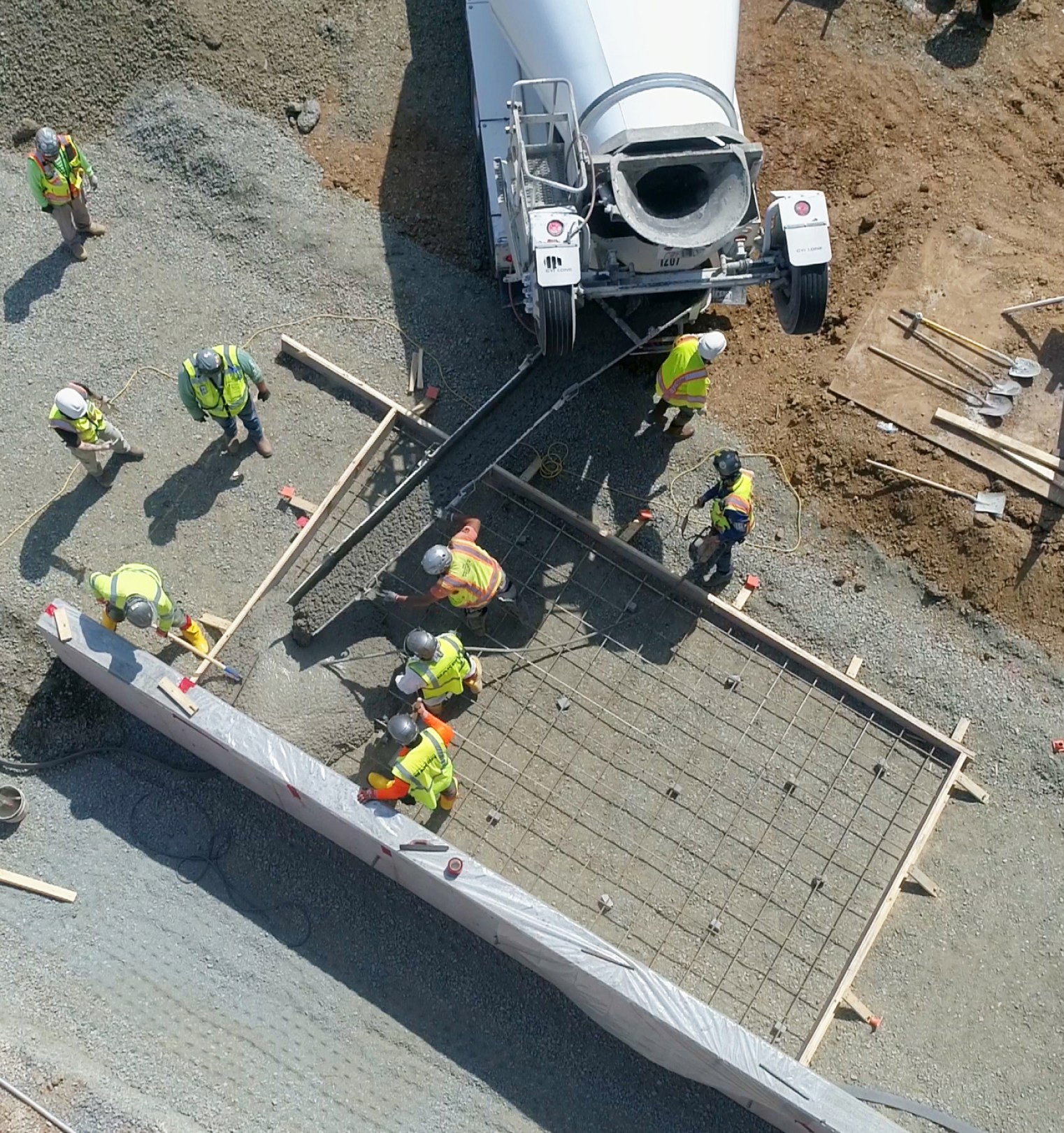
Building on earlier lower carbon concrete projects with partners like CarbonBuilt and CarbiCrete, our multi-year agreement with Sublime Systems supports at least 180,000 tons of lower carbon cement production. Our support enables Sublime to build its first commercial-scale facility and gives us priority access to use Sublime Cement® in our data center construction pipeline.
Our agreement with lower carbon cement producer Fortera supports a new plant in Ste. Genevieve, Missouri. Both companies expect their early plants to add domestic capacity for lower carbon cement and create new American jobs.
Clean Iron and Steel
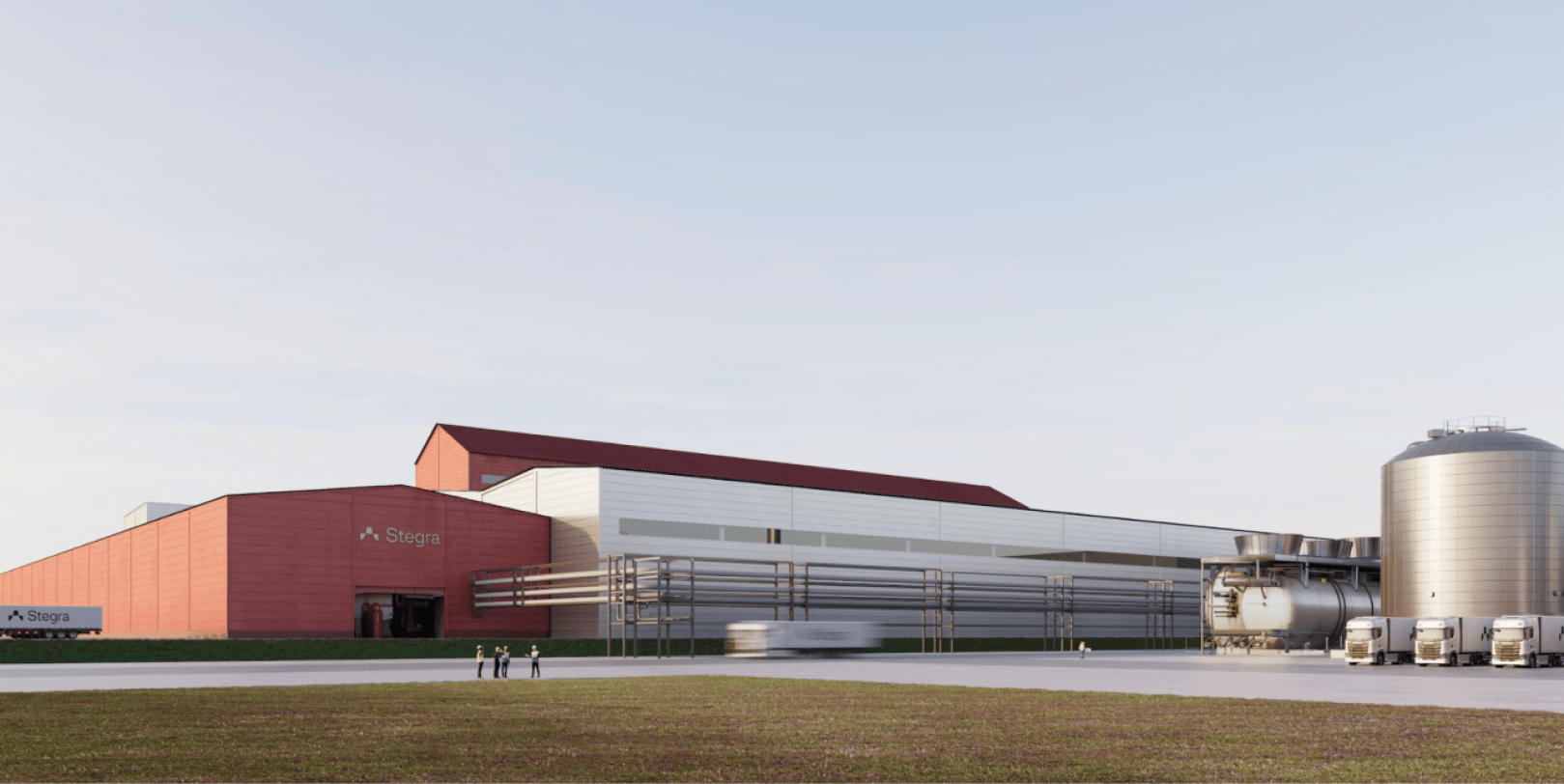
Last year we signed a multi-year agreement to support domestic clean iron from Electra’s first demonstration plant in Jefferson County, Colorado. We’re now taking that work from iron into steel: a new multi-year agreement with Sweden-based Stegra supports near-zero-emission primary steel, produced through a process that eliminates coal entirely from iron reduction. Structural steel reaches our data centers through global supply chains. Supporting a first-of-its-kind facility through its production ramp helps validate technologies that can scale across the global steel industry.
Zero-Emission Freight Corridors
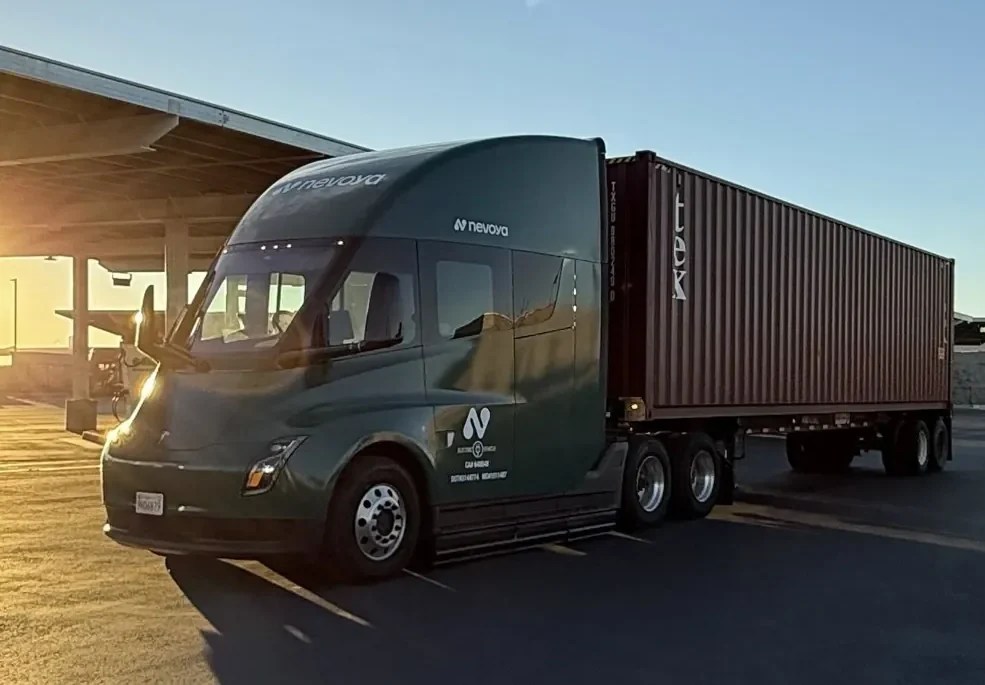
Building on initial zero-emission freight partnerships with NFI in Virginia and Nevoya (with the Center for Green Market Activation) in Texas, we are expanding our work with Nevoya to now include a California and Arizona route along the I-10 interstate. Electric trucks produce zero tailpipe emissions and run quieter than diesel. By supporting heavy-duty electric trucks and dedicated charging infrastructure along critical transport routes, we’re helping bring cleaner air and quieter streets along freight corridors in Virginia, Texas, California, and Arizona. The permanent, open access charging stations will support other commercial fleets along the corridor.
Recycled Plastics
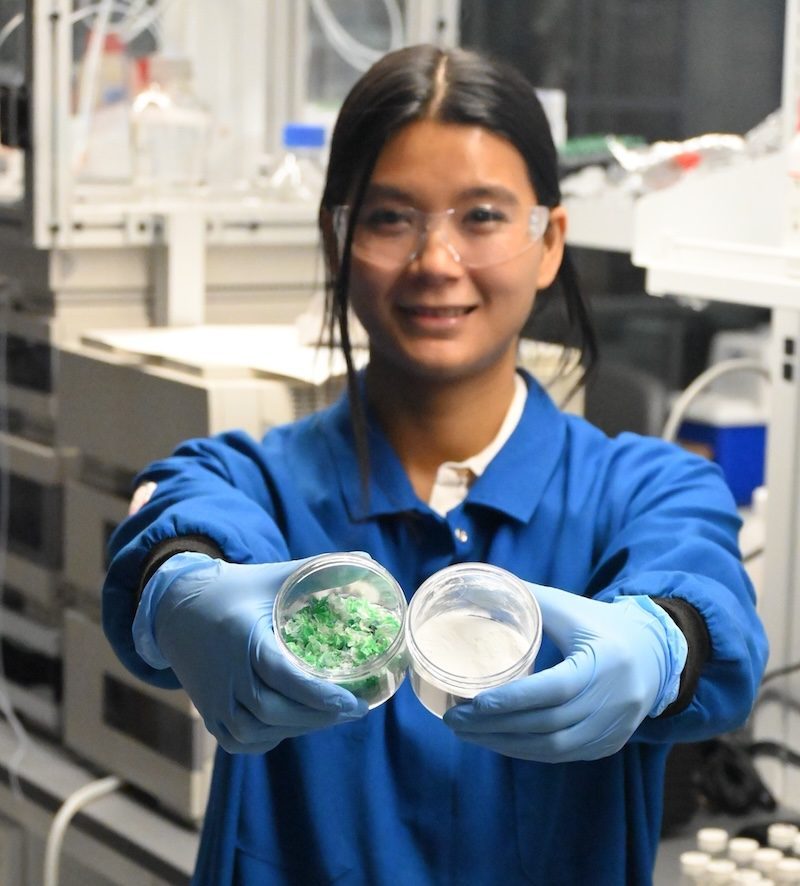
Through our work with MacroCycle Technologies, our long-term commitment to recycled PET helps to enable the financing of their first commercial plant in the Southeastern U.S., which aims to divert hard-to-recycle plastic waste from landfills and local incinerators into 5,000 tons per year of high-value recycled PET.
Supporting American Industrial Leadership and Local Communities
Long-term commitments to future lower carbon production help build American industrial capacity. By focusing these efforts domestically, where we are actively expanding our data center footprint, we help anchor new projects where domestic supply of clean materials and services are limited today.
The benefits are tangible and local to the communities where our partners operate. Across planned and expanded U.S. plants, this work is estimated by partner projections to support hundreds of jobs across construction and long-term manufacturing.
How We Address Our Value Chain Emissions
We use a range of tools to address emissions across our direct operations, energy footprint, and supply chain. Since 2020, we have matched 100% of our annual electricity use with clean and renewable energy, and we continuously work to reduce the emissions through efficient design, extending the life of hardware, reusing server equipment, and prioritizing recycled materials. While we work with our suppliers to use cleaner materials and services, we are often limited by how deep into the supply chain our influence extends and what is available on the market.
These long-term purchase agreements are structured to deliver Environmental Attribute Certificates (EACs), which is one way we address emissions in the most challenging sectors. With an EAC, a supplier produces verified lower carbon materials or services, Meta pays for the environmental benefit, and the material or service is used in the local market. This enables us to support lower carbon production now, and where possible, secure priority access to use these materials directly in our future data centers as new factories come online and supply chains mature.
Alongside physical procurement, certificates are an established mechanism in clean electricity and sustainable aviation and maritime fuel. In extending this model to materials and transport, our purchases are designed to align with external accounting and verification frameworks, including the Advanced and Indirect Mitigation (AIM) Platform as well as sector-specific book-and-claim frameworks developed by the Center for Green Market Activation and RMI. Through direct partnerships, public requests for proposals, and buyers’ alliances that pool demand, we create a market signal far bigger than any single company could send alone.
Building a Lower Carbon Ecosystem
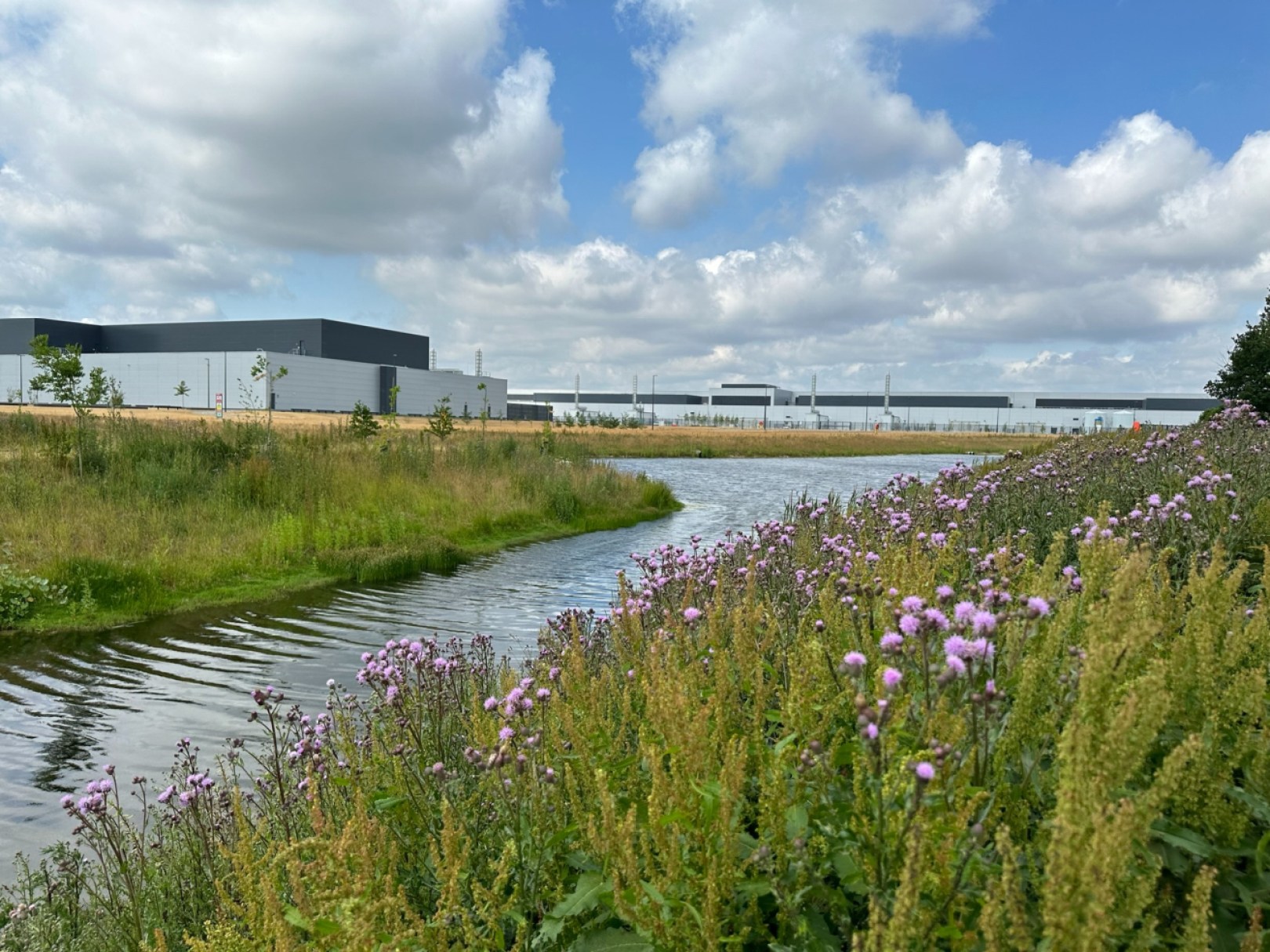
These commitments do more than secure materials and services for Meta – proving technologies at commercial scale makes them available to the entire market. That is the outcome we are working toward: supply chains where lower carbon cement, steel, recycled plastics, and electrified freight are standard options for any builder.
Supporting domestic manufacturing capacity is one way that transition takes form and we invite more buyers to build these markets with us.
News
Get the latest news about our sustainability work, download reports and resources and explore our energy dashboards.

RFP: Value Chain Interventions for Emissions Reductions
At Meta, we have an ambitious goal to reach net zero emissions across our value chain in 2030, which requires us to address emissions sources throughout our value chain. Since 2023, Meta has launched an annual RFP for value chain interventions for emissions reductions, and this year we are focusing our RFP on the following […]
June 25, 2026
Request for Proposals: Addressing Upstream Natural Gas Emissions
Meta announced it will release an RFP to procure MiQ Certificates.
May 19, 2026
Restoring water in our data center communities
Our water restoration program is how we put more water back than we take — in the same communities and watersheds where we operate.
April 24, 20262025 Sustainability Report
Learn more about our progress as we work to achieve net zero emissions across our value chain and become water positive in 2030.