Water
Our water stewardship program includes three pillars: using water more efficiently in our data centers, transparent sharing of our water data and supporting water restoration projects.

62
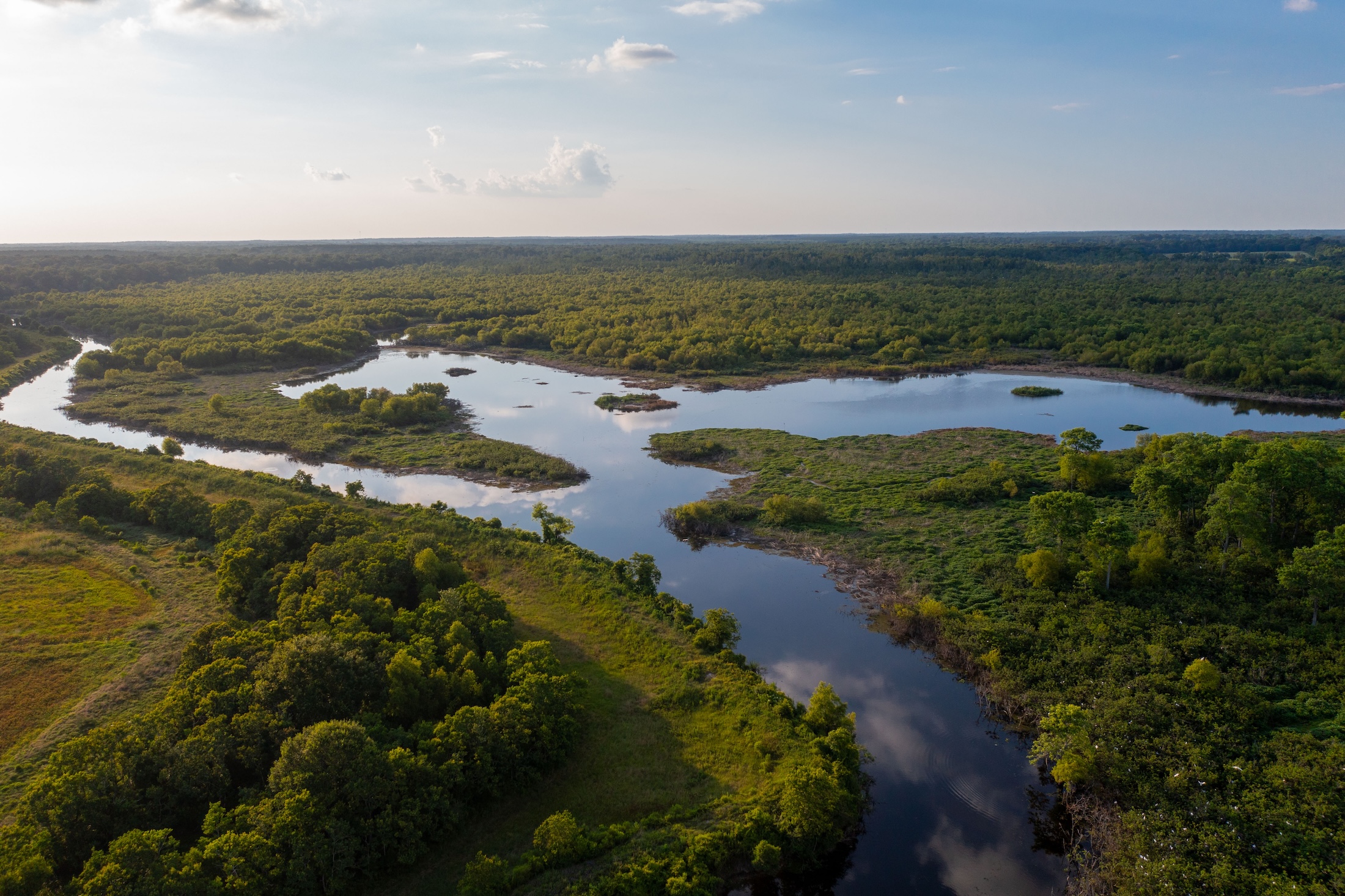
As part of our water positive goal, we aim to restore 200% of water consumption in high water stress regions and 100% of water consumption in medium water stress regions. Within each of our data center communities, we have committed to supporting at least one watershed capacity building project.
Through strategic planning, transparent reporting, and watershed-based collaboration, we aim to strengthen water security and contribute to resilient watersheds and communities.
Assessing water risk
We follow a standardized risk assessment methodology for our data centers and operations. When a location is identified as high risk, the goal is to achieve 200% water restoration. When a location is identified as medium risk, the goal is to achieve 100% water restoration.
WRI Aqueduct water risk atlas screening
Every Meta facility is screened using the World Resources Institute’s Aqueduct Water Risk Atlas, which evaluates 13 indicators of water risk including water stress, drought severity, flooding, and water quality.
Desktop water risk assessment
For owned data center sites, a qualitative preliminary evaluation is conducted using desktop research to assess local water availability, infrastructure, and regulatory conditions.
Detailed due diligence
Technical assessment of site-specific water supply, infrastructure capacity, wastewater systems, and regulatory environment with local experts and utilities.
Watershed risk assessment
Basin-level assessment across water quantity, water quality, regulatory, reputational, Water Access, Sanitation, and Hygiene (WASH), and biodiversity risk categories.
Climate risk assessment
Multi-hazard climate risk evaluation of data center water infrastructure and the serving water utility to identify direct and indirect climate risks.
Meta aligned water risk score
Independent risk assessments are compared and aligned through automated cross-checks and cross-functional review. When assessments differ, the more conservative (higher) score is assigned to ensure adequate restoration planning.
Transparent reporting
We aim to share clear, accessible information on our water use and progress toward our 2030 water positive goal. Explore these additional resources to better understand our data, methodologies, and progress.

Long term resilience measures
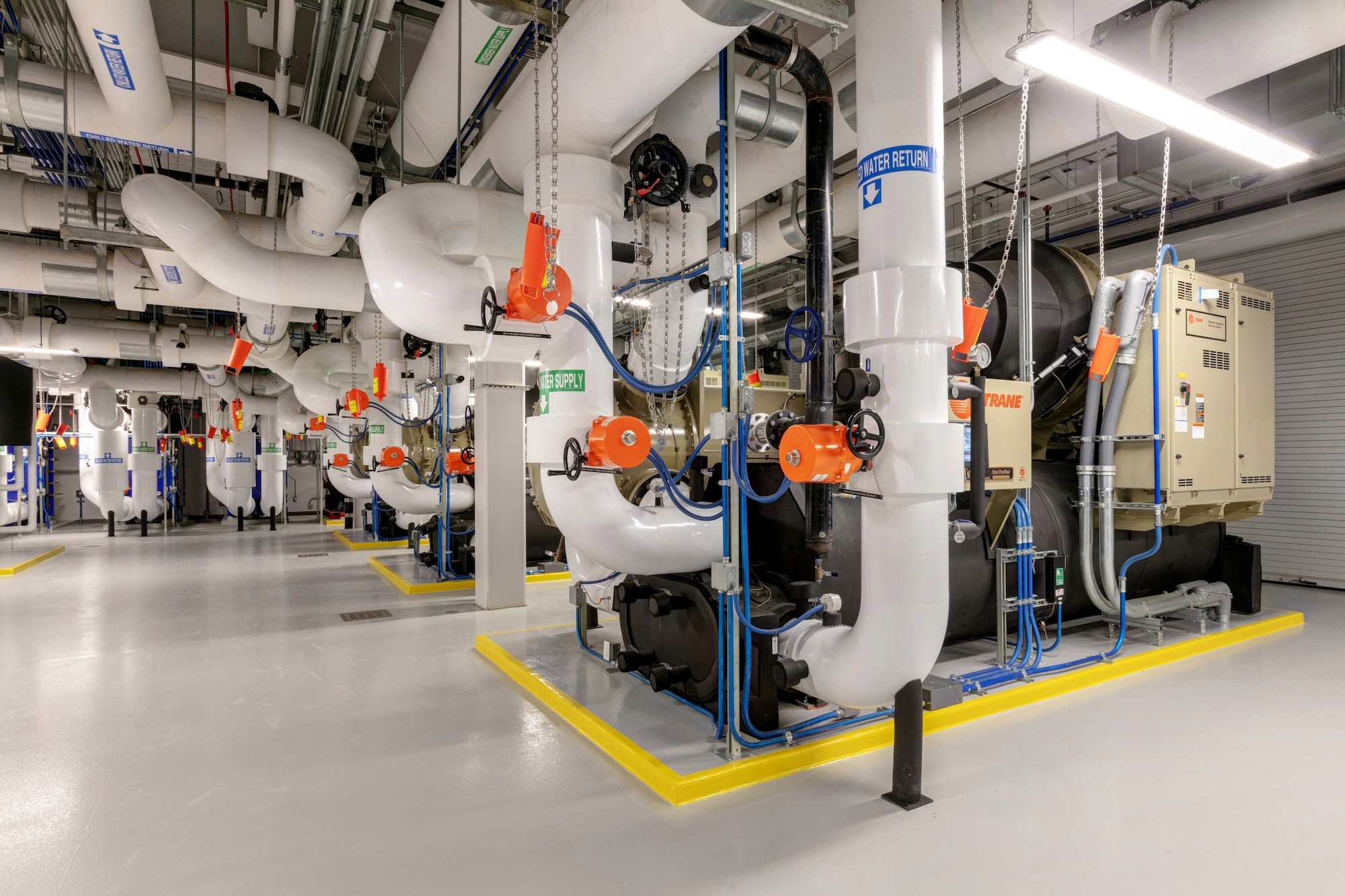
We leverage digital twin models of our data center cooling systems to generate accurate estimates of short- and long-term water usage under current and projected operating conditions. These model scenarios allow us to take a detailed, data-driven approach to our capacity planning, compliance monitoring, and water efficiency project prioritization.
Restoration projects
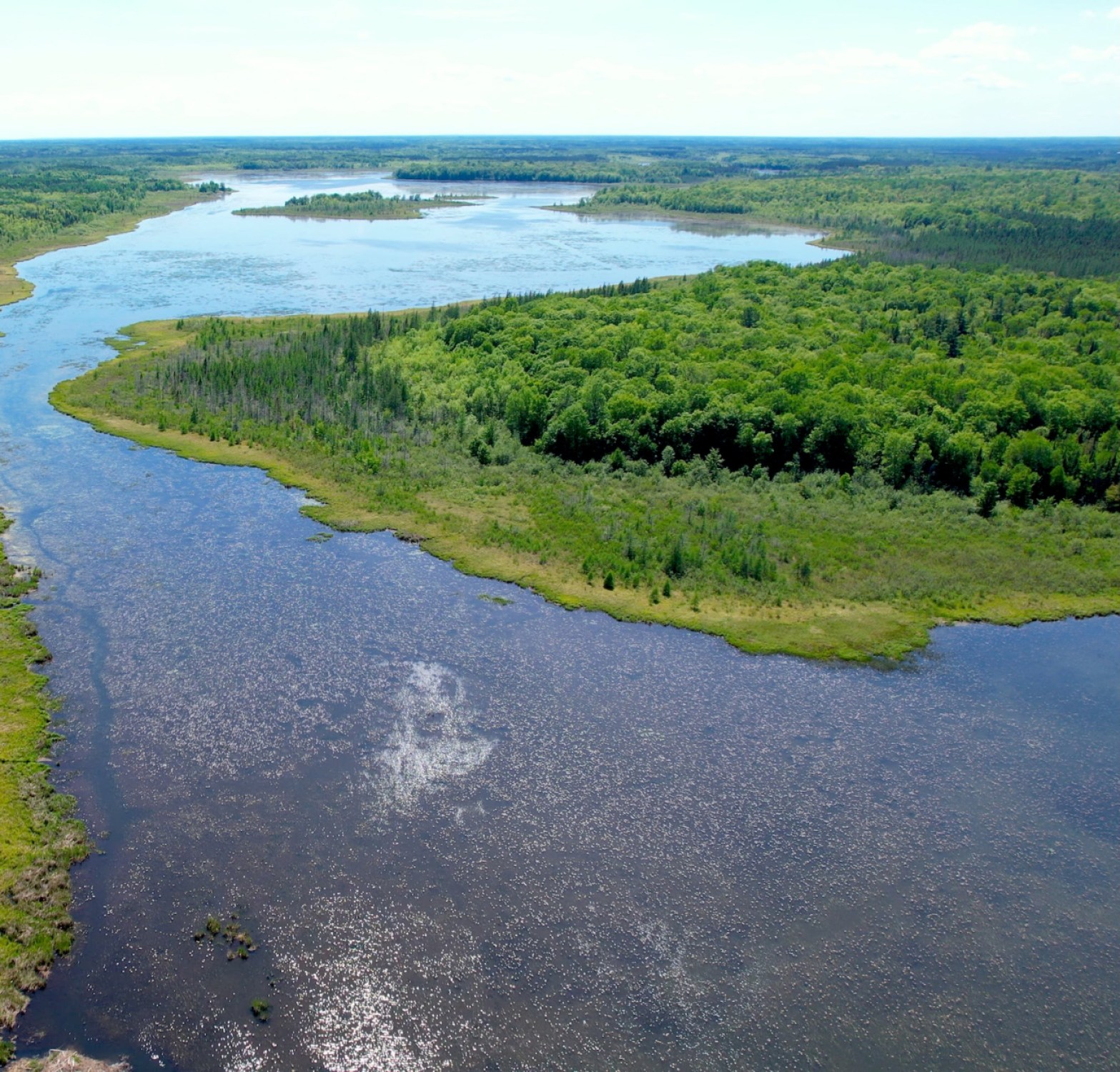
To balance our operational water use, we seek to strategically identify projects to restore water and enhance restoration-related capacity building in the watersheds where we operate data centers — especially in watersheds experiencing water stress.
-
Project categories
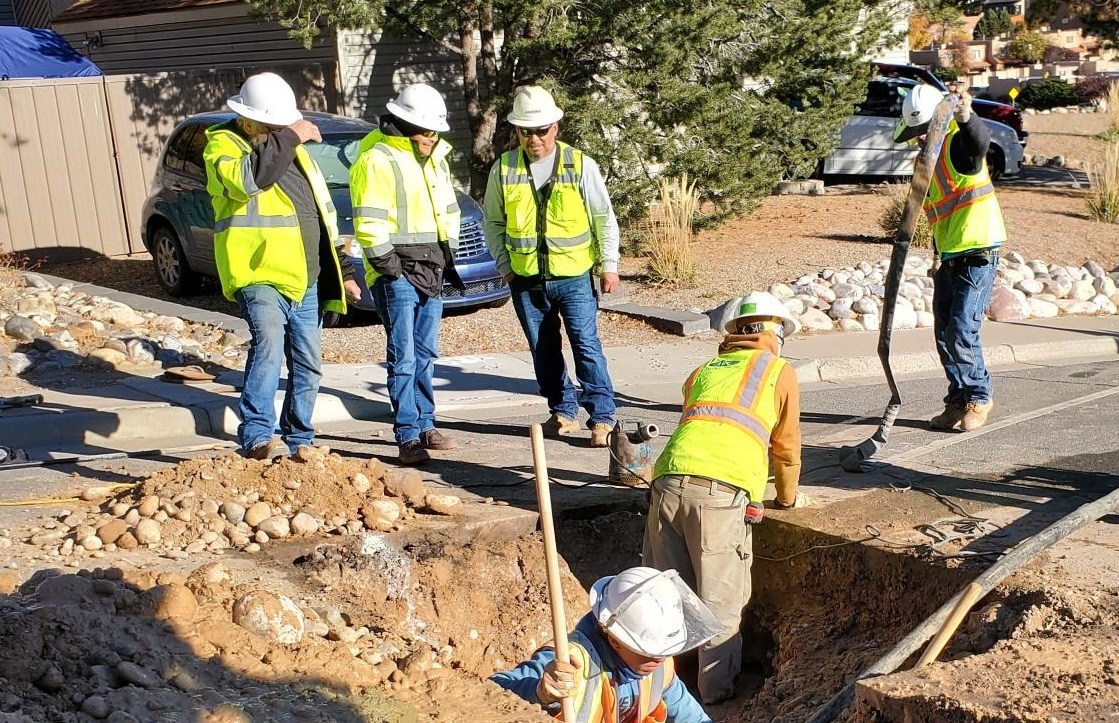
Each project we invest in is tailored to local conditions and generally falls within one of four main categories:
- Conservation and Ecosystem Restoration
- Water Supply and Reliability
- Water, Sanitation, and Hygiene (WASH)
- Water Quality
-
Partnerships
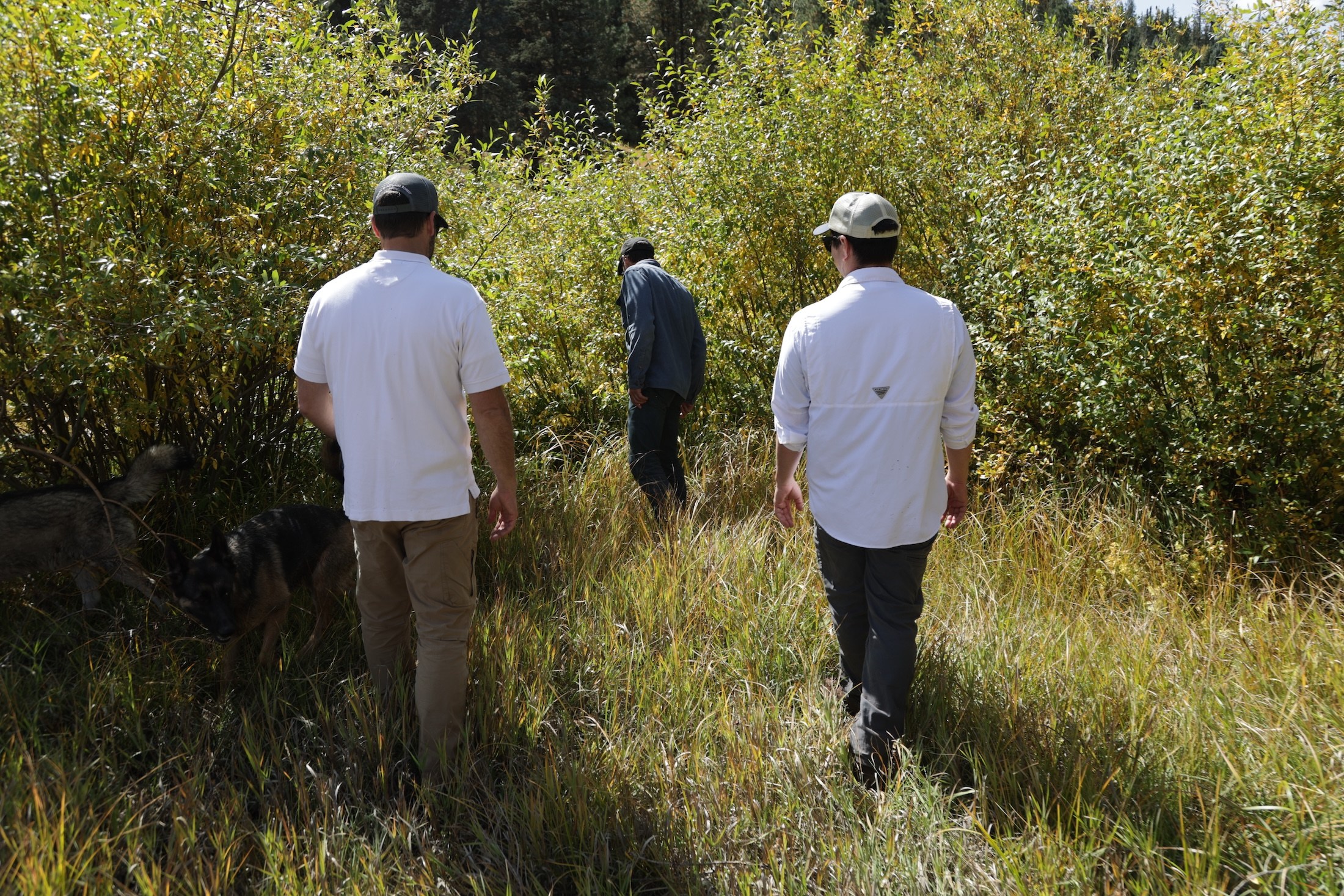
Most of these projects are developed in collaboration with NGOs and community partners, who help to identify priority opportunities to enhance watershed health and expand access to water resources.
-
Reporting
We measure and report the volumetric water benefits of each project annually using the methodologies outlined in our Volumetric Water Benefits Report, where we also share detailed information on every water restoration project in our portfolio. This transparency supports accountability and helps demonstrate the measurable impact of our restoration work.
Dig deeper
These are just a few highlights. Read the full sustainability report for more details.