Climate & Energy
We are committed to climate action and a pathway to net zero across our value chain.


100%

30 GW+
Our climate strategy focuses on reducing greenhouse gas (GHG) emissions across our operations and value chain while continuing to deliver the infrastructure, products, and services needed to support our business. Key initiatives include scaling clean and renewable energy, building lower-carbon infrastructure, helping suppliers reduce their emissions, strengthening climate resilience, and supporting high-quality carbon removal projects.
Scaling clean and renewable energy
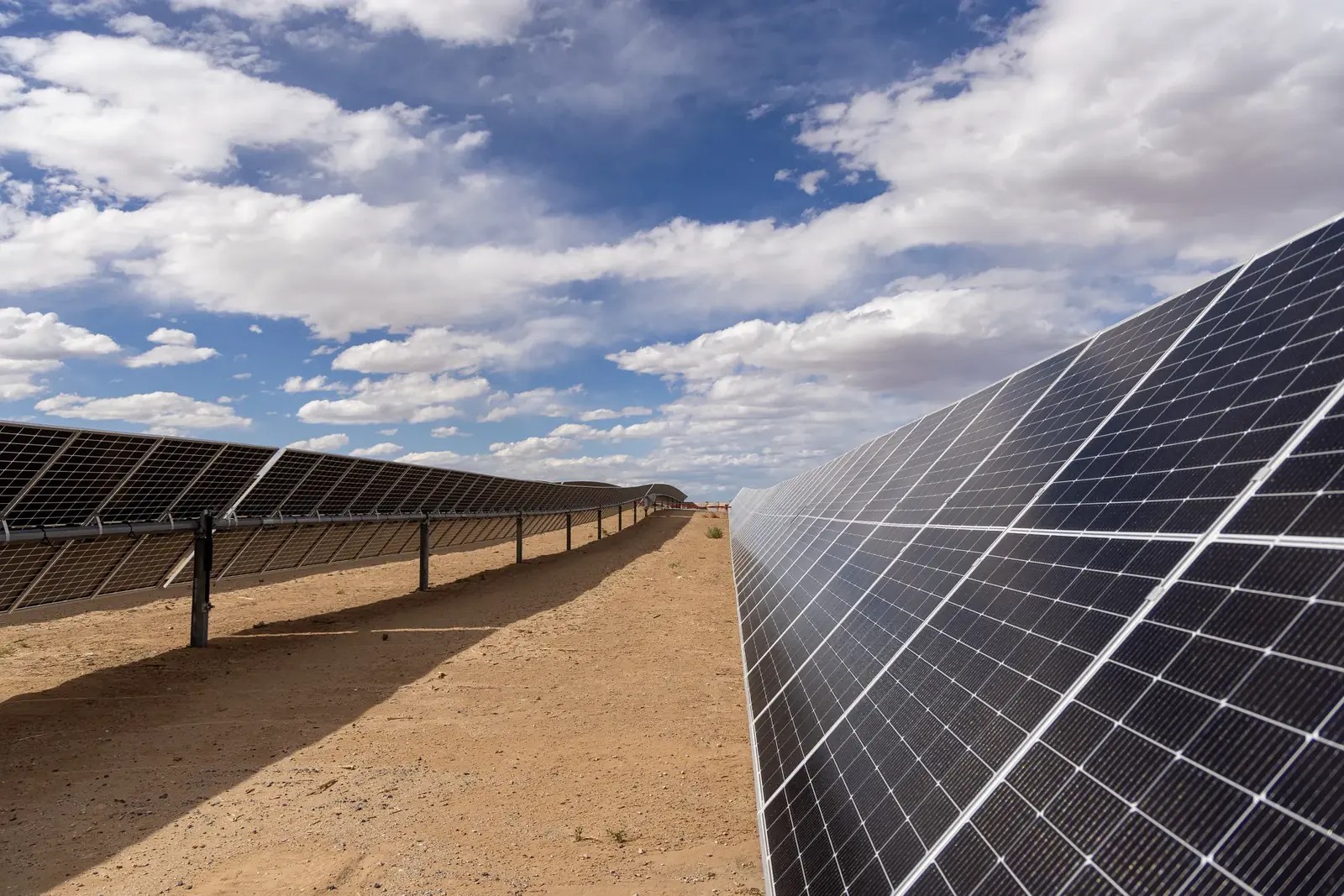
Meeting the increasing demand for electricity while continuing to manage emissions requires investment in a broad mix of clean and renewable energy resources and technologies.
Since 2020, we have matched 100% of our annual electricity use with clean and renewable energy. We do this mainly through long-term power purchase agreements and partnerships with utilities. A central principle of this approach is additionality — working to bring new projects online and add capacity to the grid.
We work closely with utilities to plan for and meet our energy needs years in advance of our data centers coming online, and we pay the full costs for the electricity and grid infrastructure so other ratepayers aren’t negatively impacted. This includes supporting regulator-approved rate structures such as large-load tariffs, which help ensure other utility customers are protected from shouldering these costs. This longstanding principle was further cemented by the 2026 Ratepayer Protection Pledge and will continue to be a core part of our work as our infrastructure grows.
We are supporting the development of emerging energy technologies and exploring partnerships that can help accelerate commercialization, including:
- Nuclear
- Geothermal
- Battery and long-duration energy storage

Designing and building low-carbon infrastructure
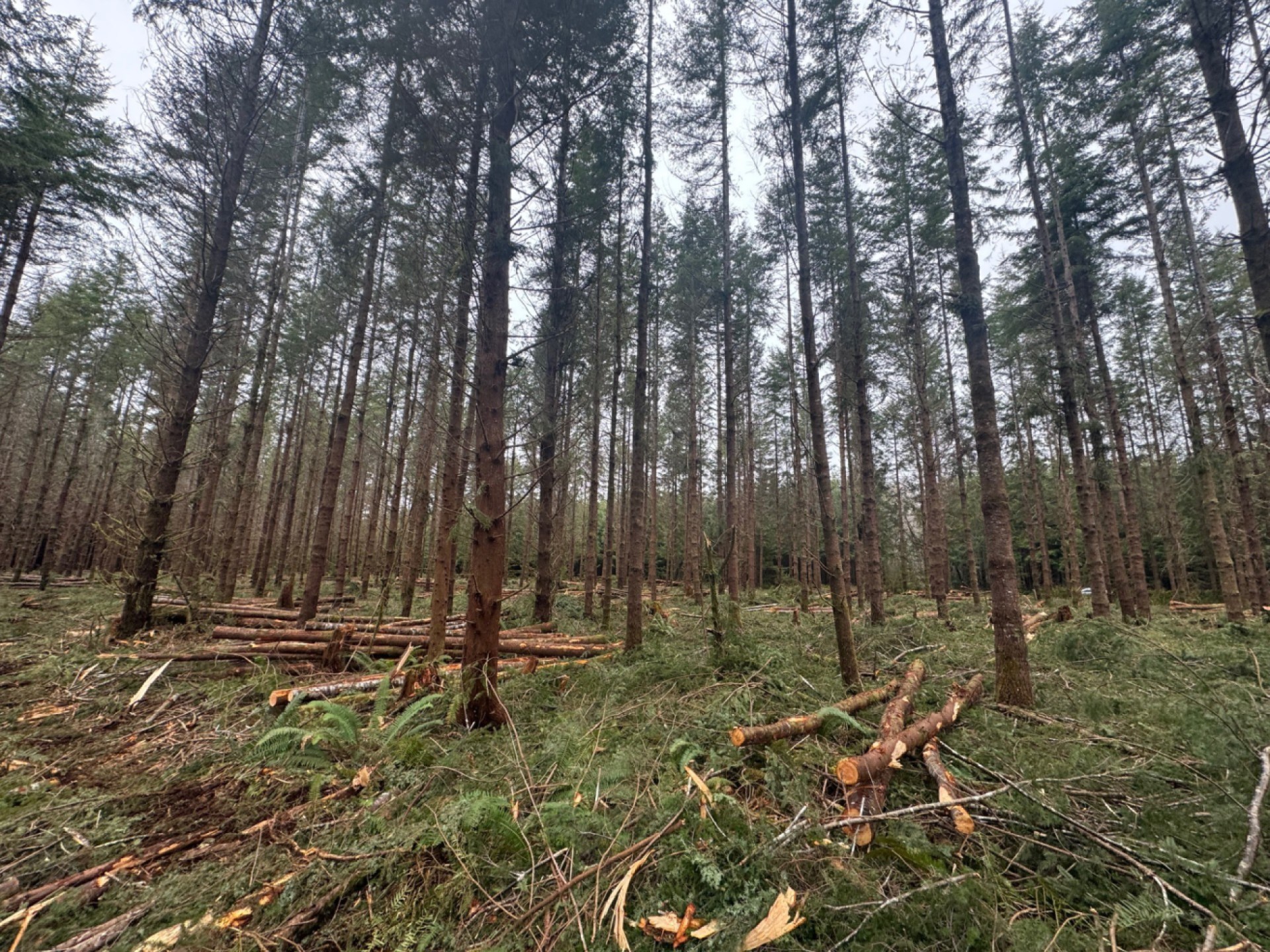
Across our data center portfolio, we focus on improving efficiency, reducing embodied carbon, and advancing lower carbon approaches to infrastructure design, materials, and construction activities. Our latest data center designs have approximately 77% less embodied carbon than our original data center design specifications.
We support low-carbon technologies such as mass timber, low-carbon concrete, and more. To accelerate their development, we joined peers via the Data Center Innovation Initiative to test and deploy these materials.
Addressing residual emissions
While our climate strategy prioritizes emissions reduction, any residual emissions we cannot eliminate will require carbon removal projects to reach net zero emissions. Our approach focuses on supporting the development of a high-quality carbon removal market that includes both nature-based and technological solutions. This includes working with peers to scale the supply of projects that deliver meaningful climate mitigation, following best practices to support local communities, and enhancing ecosystem health to create durable, lasting impact.
Enhancing climate resilience
Across our infrastructure portfolio, we have identified and implemented more than 200 measures designed to reduce our exposure to climate and natural hazards and enhance our overall resilience.
-

Two business people standing in server room with laptop and discussing Operational response playbooks
We updated operational playbooks that guide responses to floods, hurricanes, extreme heat, and wildfires using findings from recent climate risk assessments. These updates improve preparedness, response procedures, and continuity planning across data center operations.
-

Extreme heat monitoring tools
We deployed heat-monitoring dashboards and automated notifications to help site teams assess temperature conditions, plan work more effectively, and apply internal thermal stress guidance to protect employees.
-

Wildfire risk reduction
We implemented prescribed burn practices in select data center locations as part of broader land management and biodiversity efforts. These measures reduce fuel loads and wildfire risk around data center infrastructure while supporting broader ecosystem management objectives.
-
Utility and water supply resilience assessments
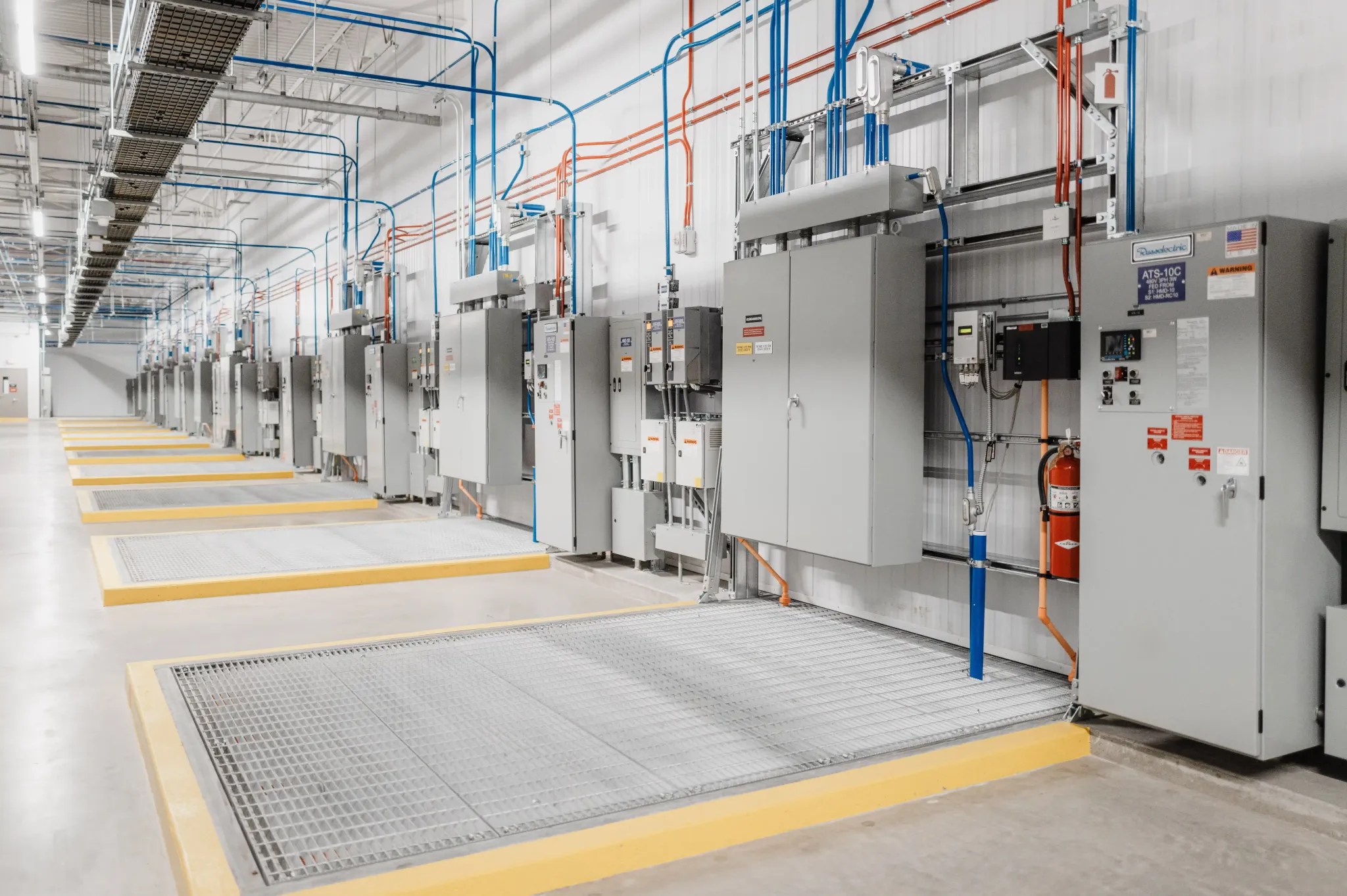
Expanded analysis of indirect climate risks by assessing the resilience of select energy and water utilities that support data center operations and launching a water supply risk assessment to better understand risks associated with scarcity, infrastructure limitations, and regulatory constraints.
Dig deeper
These are just a few highlights. Read the full sustainability report for more details.